
Fully automatic batch systems
Fully automatic batch centrifuge systems reliably automate the single-type processing of a wide variety of materials, including demanding materials such as titanium and plastic. They efficiently separate cooling lubricants and are suitable for drying, washing, rinsing, coating and de-oiling – both for chips and parts. With high process reliability and integration capability, they significantly optimise complex production processes.
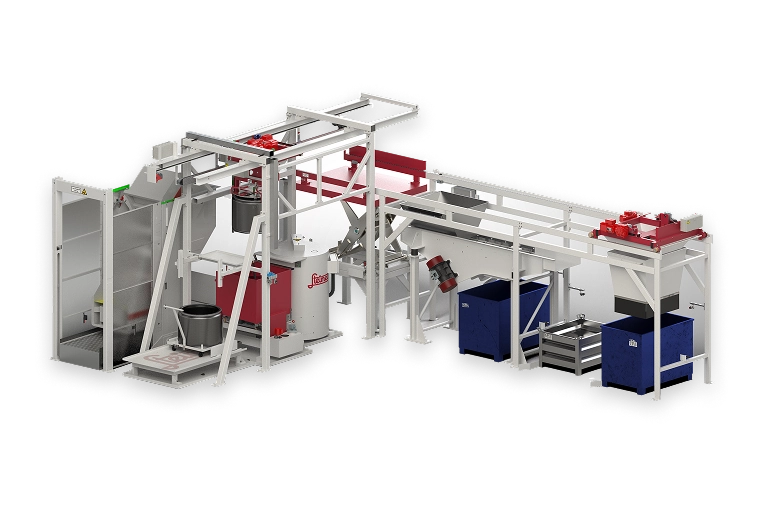
SCROLL
Technical specifications
Batch operation
max. 6-10 batches per hour
Max. filling weight per batch
up to 500 kg
Drum volume
up to 500 liters (depending on centrifuge type)
Speed
up to 1000 rpm
Residual moisture
Values below 2% are possible
Modularly expandable
✓
Sore-specific separation of different materials
✓
Integrated weighing technology
✓
FTS compatible
✓
Chip geometry
Machining produces very different types of chips — from short and compact to long, thread-like and tufted structures. The respective chip geometry influences not only process reliability, but also efficiency and handling in the production process. Steimel systems are designed for all geometries and thus ensure safe and reliable processing. Even rough parts such as rod ends or remnants can be easily processed or sorted out if necessary.
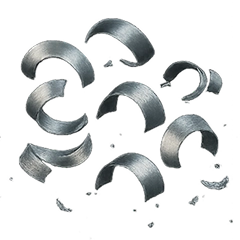
shortly
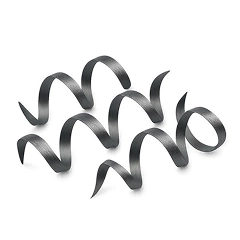
long
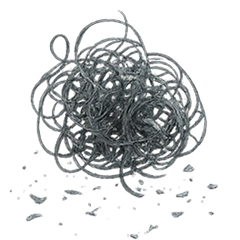
tufted
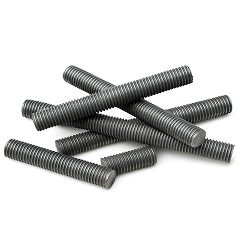
Rough parts
Applications for swarf processing
Fully automated batch systems are used for a wide range of application processes. Here you can find an overview of the various areas of application.
Recycling
Efficient processing of metal chips for return to the production cycle. As a result, valuable raw materials are recycled, disposal costs are significantly reduced and an important contribution to resource conservation is made.
De-oiling
Reliable removal of cutting oils, emulsions and coolant residues from metal chips — a key requirement for recycling and reducing environmental impact in the manufacturing process.
Washing
Removal of contaminants such as solids, processing residues or foreign substances from metal chips. This cleaning improves material purity and sustainably increases the quality of the recycled material.
Separate
Targeted separation of foreign substances and unwanted components from the chip mixture — for example, different types of metal or non-metallic inclusions. This sorting improves material purity and is crucial for high-quality recycling.
Coolant recovery
Efficient recovery of coolants (KSS) from oily or wet metal chips — to reduce media consumption, disposal costs and environmental impact. The recovered liquids can be reused or recycled directly.
Drying
Reducing residual moisture in metal chips — ideal for preparation for storage, transportation or melting processes. Dry chips prevent corrosion, improve manageability and increase the efficiency of downstream process steps.
Applications for bulk materials and parts
Fully automated batch systems are used for a wide range of applications. Here is a list of the various applications with bulk materials.
Washing
Removal of adhering dirt, particles or processing residues from bulk material parts — ideal for preparing subsequent processing steps or as final cleaning for the highest cleanliness requirements.
Rinsing
Removal of residues from upstream washing or treatment processes using clear dishwashing liquids — with the aim of ensuring a largely residue-free and clean surface.
De-oiling
Reliable reduction or removal of lubricants, emulsions and oil films that were applied to the components during production — often as a necessary preparation step for further thermal or chemical processing.
separating
Efficient separation of workpieces or media with different densities or consistencies — ideal for recovering process media or sorting mixed material in production and processing.
Passivate
Applying a thin, oxidic protective layer — usually based on iron or zinc — to increase corrosion resistance. The resulting passive layer serves as a temporary or permanent surface protection and supports the longevity of the components.
Drying
Reliable removal of residual moisture from the bulk material following aqueous treatment processes. This prevents corrosion and re-contamination and enables rapid, process-reliable further processing.
Coating
Application of anticorrosive agents, conversion layers or lubricants to produce uniform, adhesive layers. The aim is a defined surface function — whether for protection, for gliding optimization or for decorative purposes.
Rust preventative
Temporary or permanent protection against oxidation through the application of protective oils or protective solutions — ideal for preserving metallic surfaces during storage, transportation or intermediate processing steps.
Oiling
Targeted application of a thin film of oil to reduce friction, temporarily preserve or prepare for subsequent mechanical processing steps. The oil coating protects the surface and optimizes the manufacturing process.
Refine
Final treatment of metallic or technical surfaces to specifically improve gloss, feel, protection or functional properties. Depending on requirements, several sub-processes can be combined — for a high-quality, application-specific end result.
Types
Fully automated batch systems from Steimel are used for a wide range of applications. Here is a list of the types in question.
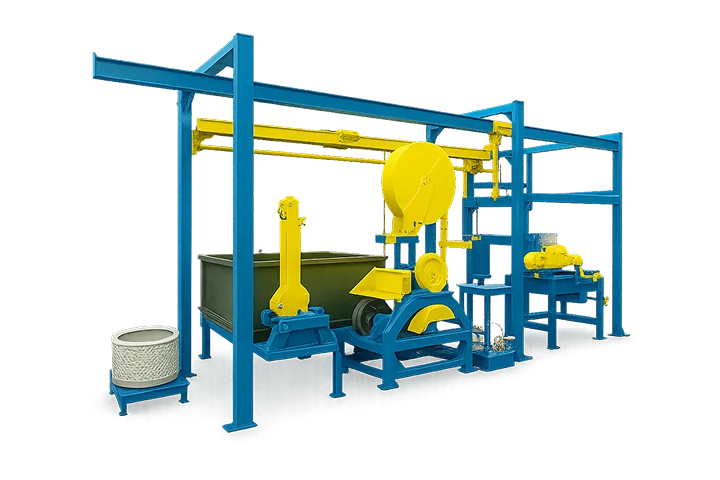
ROBOT-POLAR System
key data
- Batch operation: max. 6-10 batches per hour
- max. filling weight per batch: up to 500 kg
- Drum volume up to 500 liters
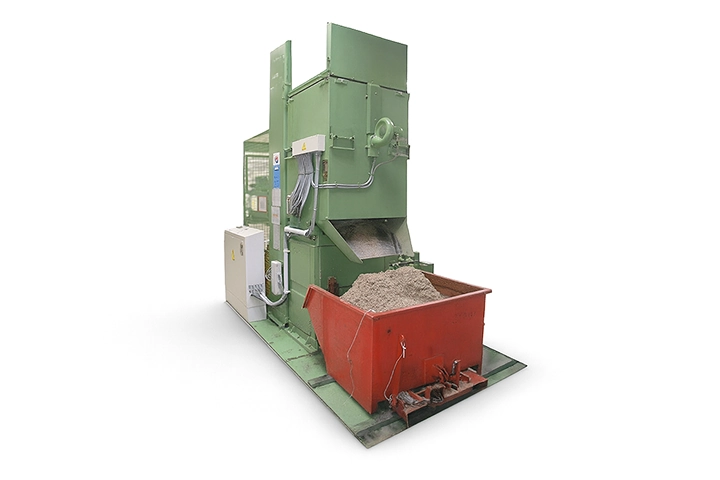
HYDRO-POLAR E
key data
- Batch operation: max. 10 batches per hour
- max. filling weight per batch: up to 300 kg
- Drum volume up to 120 liters
Data sheets & PDFs
Data sheets and further specifications are available for download below.
Contact persons
Do you have any questions about our fully automated batch systems? Then don't hesitate to contact us. We are happy to help you.
Technical consulting and sales
Markus Vilshöver
System solutions


Technical consulting and sales
Frank Wertenbruch
System solutions